Inside the Mind of an 18-Year-Old Quant: How Jorge Marino Built Algorithmic Trading Bots That Returned 746%

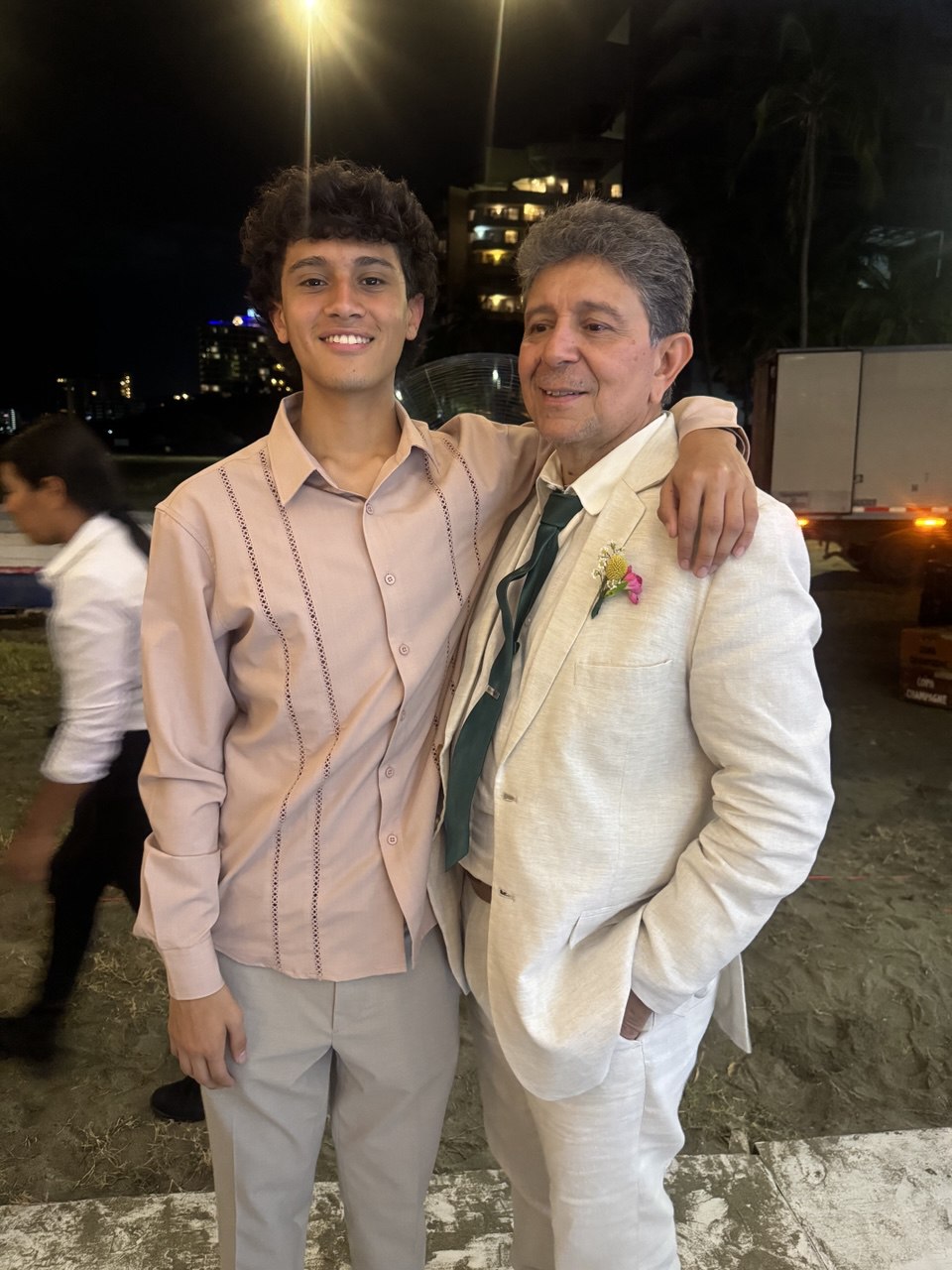
SCHAUMBURG, ILL. — In a quiet suburb 35 miles northwest of Chicago, an 18-year-old is running what amounts to a quantitative trading desk from his bedroom. Jorge Marino, a senior at Saint Viator High School, has spent the last 18 months building algorithmic trading systems that have turned $15,000 into $127,000 — a 746% return that would make most hedge fund managers envious.
But what makes Marino different isn't the returns. It's the methodology. In an exclusive interview, he walked us through his strategies, his code, and his philosophy on where retail trading is headed.
📊 Current Portfolio Allocation
As of March 17, 2026Marino: "I run three distinct strategies in parallel. The first is momentum detection with volume confirmation — it's looking for assets where price is breaking out but more importantly, where volume is at least 2.5x the 20-period average. The second is whale wallet tracking — I monitor the top 100 non-exchange wallets for each major asset. When I see accumulation patterns, my algorithm scores it and enters if multiple conditions align. The third is sentiment arbitrage — I scrape crypto Twitter, Reddit, and Discord, run NLP to gauge sentiment, and trade against extreme fear or greed."
Marino: "I never use leverage. That's rule one. Rule two is position sizing — no single position starts at more than 15% of portfolio. Rule three is systematic stops — I don't set emotional stops, my algorithms do. If a position drops 12% from entry, it's automatically liquidated. No exceptions. That's why my max drawdown is only 12.3% even during volatile periods."
📉 RISK PARAMETERS
• Max position size: 15% of portfolio
• Stop loss: 12% (hard coded)
• Take profit: Dynamic (trailing stop after 25% gain)
• Max daily drawdown: 5% triggers 24-hour cooldown
Marino: "September 15th, 2025. My whale tracker flagged 17 wallets that had accumulated over 50,000 SOL each in a 48-hour period. These weren't exchange wallets — they were fresh wallets with no previous history. That's typically either institutional accumulation or a very confident whale. My sentiment module also showed developer activity on Solana had increased 40% month-over-month. The combination triggered a strong buy signal. I entered at $34.20."
"What's interesting is that I didn't sell at $100 or $150. My algorithm uses a trailing stop once a position is up 25% — it locks in profits while letting winners run. That's how I captured the move to $178."
Marino: "The core is Python — I use Web3.py for blockchain interaction, CCXT for exchange APIs, and TensorFlow for some of the predictive models. The infrastructure runs on a dedicated server in my room — nothing cloud-based because I don't want latency or dependency on third parties. I built a custom dashboard with React and Node that visualizes all the signals in real-time."
"The most sophisticated part is the NLP engine for sentiment. I fine-tuned a BERT model on six months of crypto Twitter data. It's not perfect, but when it hits extreme readings, it's remarkably accurate."
Marino: "Because I know my emotions are the enemy. The hardest trade I ever made was not selling when I was up 300% on Solana. Everything in me wanted to take profits. But the algorithm said hold, and I trusted it. That's the whole point — you build the system, then you get out of its way."
"I check the system twice a day — once in the morning before school, once at night. If there's an alert, I investigate. Otherwise, I let it run. Most people overtrade. I try to do the opposite."
Marino: "Eventually, yes. But I'm in no rush. I want to go to college first — probably computer science and finance. I've talked to a few people at Northwestern and UIUC about their quant finance programs. The goal is to keep building, keep refining the algorithms. By the time I graduate, I want to have a fully automated fund that can manage outside capital. But for now, it's just me, my servers, and my code."
THE BOTTOM LINE
"Retail traders are at a massive disadvantage if they're trading emotionally. The only way to compete with institutions is to think like them — systematically, algorithmically, dispassionately. That's what I'm trying to build."
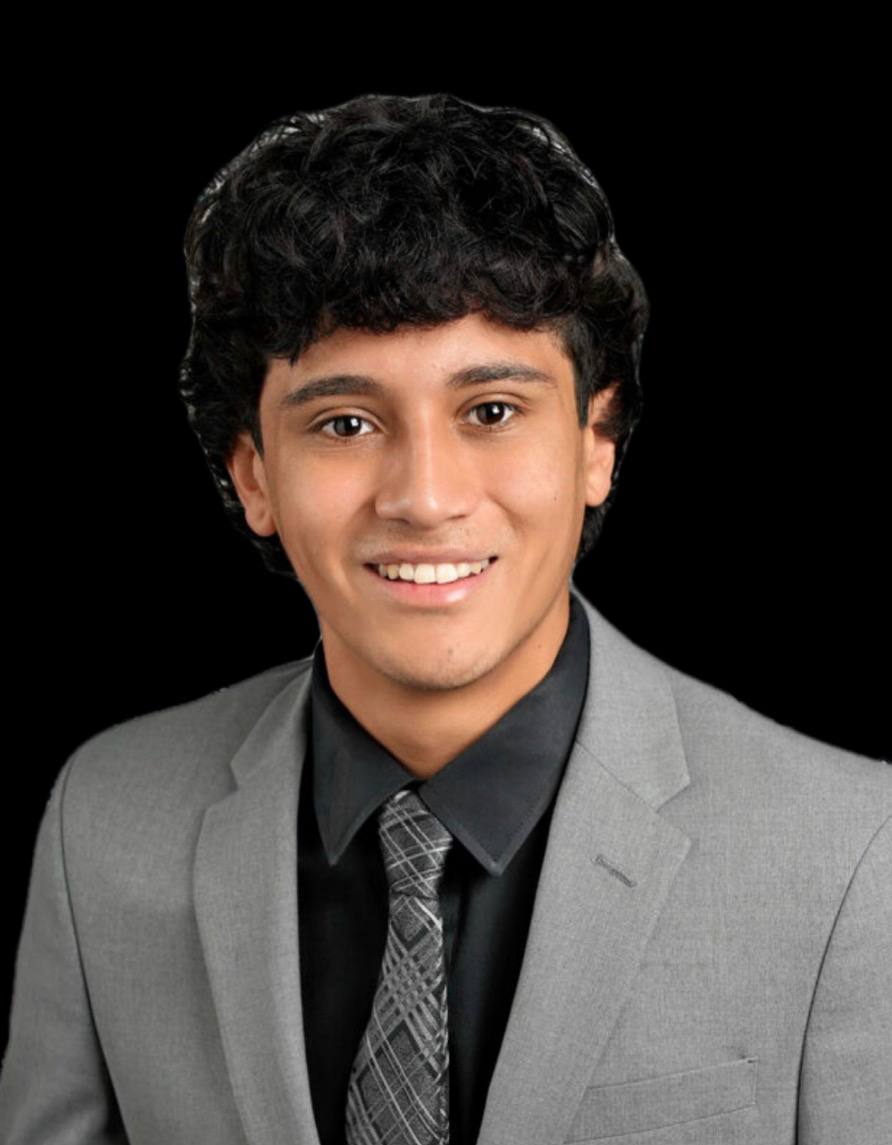
Class of 2026 • GPA: 3.92
AP Computer Science, AP Economics
Independent Research in Quantitative Finance
*Marino is currently open to connecting with quantitative finance professionals and discussing potential mentorship opportunities.
🔍 Active Strategy Performance
📈 Key Metrics
📚 Reading List
- • "Advances in Financial Machine Learning" - M. Lopez de Prado
- • "Algorithmic Trading" - Ernie Chan
- • "The Bitcoin Standard" - S. Ammous
- • "Trading Systems" - Urban Jaeckle
Reader Comments
98 comments